





Short-Read Sequencing
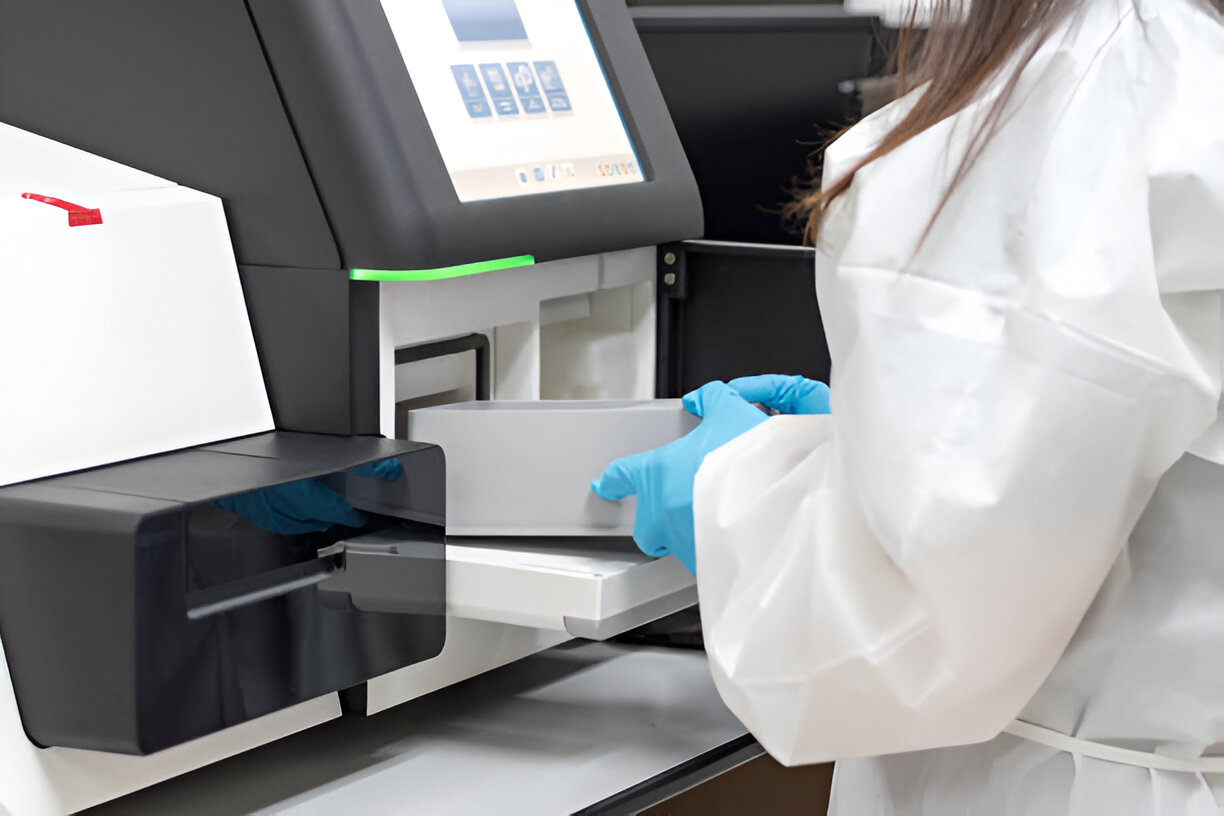
Short-read sequencing is the workhorse of modern genomics. It delivers high-throughput, accurate data at a low cost, enabling essential applications like variant discovery, transcriptomics, and targeted amplicon sequencing.
Long-Read Sequencing
Long-read sequencing (e.g., PacBio HiFi) generates ultra-long, accurate reads that resolve complex genomic regions, full-length transcripts, and structural variations. It enables:
Telomere-to-telomere genome assemblies
Accurate isoform detection (Iso-Seq)
Direct epigenetic detection
Strain-level microbiome analysis
LRS is transforming rare disease diagnosis, cancer genomics, and functional annotation by providing a more complete view of the genome and transcriptome.
LRS is transforming rare disease diagnosis, cancer genomics, and functional annotation by providing a more complete view of the genome and transcriptome.
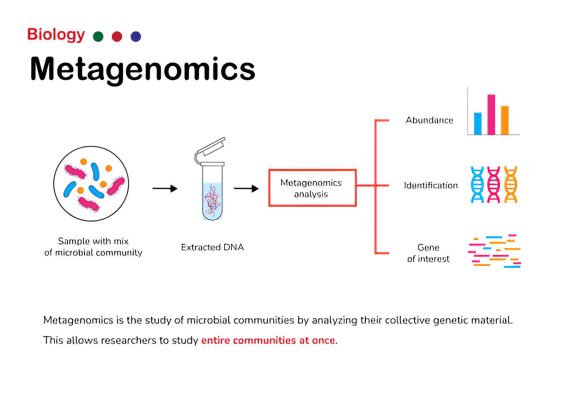
Whole Metagenome Sequencing
Whole Metagenome Sequencing (WMS) is an advanced genomic technique that analyzes all the genetic material (DNA/RNA) present in a complex environmental or biological sample—without the need for culturing individual microbes. Unlike 16S rRNA or ITS sequencing (which target specific marker genes), WMS provides a comprehensive view of microbial diversity, functional potential, and interactions within a community.
16s Sequencing
16S rRNA sequencing is a cost-effective method for profiling bacterial and archaeal communities by targeting a conserved genetic marker. It enables taxonomic classification and comparison of microbial diversity across samples—such as from the gut or environment—but does not resolve species or functional genes. Ideal for large-scale surveys of microbiome composition.

ITS Sequencing
ITS sequencing targets variable genomic regions to provide precise fungal and eukaryotic identification. It is widely used to study diversity in environmental, clinical, and industrial samples—offering species-level resolution where 16S falls short. A gold standard for detecting fungi, molds, and protists in microbiome research.

Methylation Sequencing
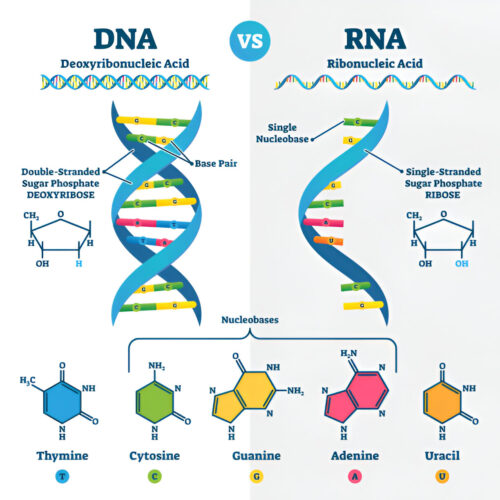
Methylation sequencing, also known as DNA methylation sequencing, is a technique used to map the DNA methylation patterns across the genome. Methylation typically occurs at cytosine residues in CpG dinucleotides, where a methyl group is added to the DNA molecule, impacting gene expression.
ChIP Sequencing
ChIP-sequencing (Chromatin Immunoprecipitation Sequencing) is a powerful technique used to analyze protein-DNA interactions and study the epigenome. It combines chromatin immunoprecipitation (ChIP) with next-generation sequencing (NGS) to identify binding sites of DNA-associated proteins (like transcription factors, histones, or other chromatin modifiers) across the entire genome.

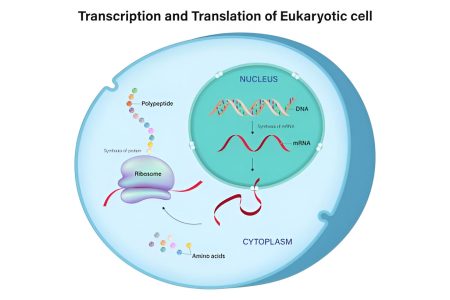
Whole Transcriptome Sequencing (WTS)
Whole Transcriptome Sequencing (WT-Seq) captures the complete set of RNA transcripts in a cell, providing a comprehensive view of gene expression, alternative splicing, and non-coding RNA activity. It is essential for gaining a nuanced understanding of cellular function in disease, development, and basic biology.
Small RNA Sequencing
Small RNA sequencing (small RNA-seq) is a high-throughput technique used to identify and quantify small RNA molecules in a biological sample. These small RNAs are typically 18–40 nucleotides long.
Metatranscriptomics
Metatranscriptomics analyzes the entire RNA of microbial communities to reveal their actively expressed genes and real-time functional activity. This approach shows how microbes respond to their environment, illuminating key processes in health, disease, and ecology.
Iso Sequencing
Iso-Seq leverages PacBio long-read sequencing to sequence complete RNA transcripts without assembly. This provides unbiased, precise discovery of alternative splicing, novel isoforms, and fusion genes, offering a comprehensive view of isoform diversity for advanced research in cancer, neuroscience, and development.